 日本語
日本語
最新の更新 | |
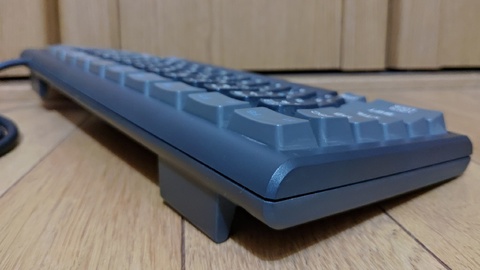 |
The Hitachi MB-H50 has a distinct look to it. It has a slim appearance and discreet ports. It has LEDs that react to audio levels. It has a detachable keyboard but it is not a desktop-style unit the way most MSX models with detachable keyboards are. In fact, the main unit has a console-style appearance. 続き⇒ |
最新のゲーム紹介
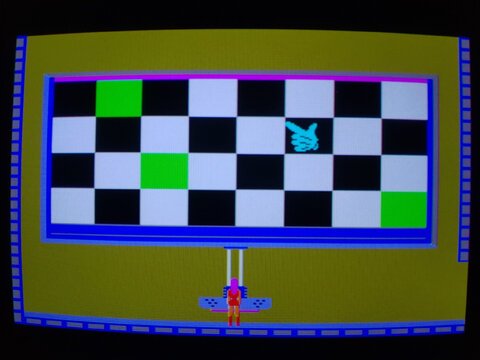 インポッシブルミッション・PC-8801mkIISR 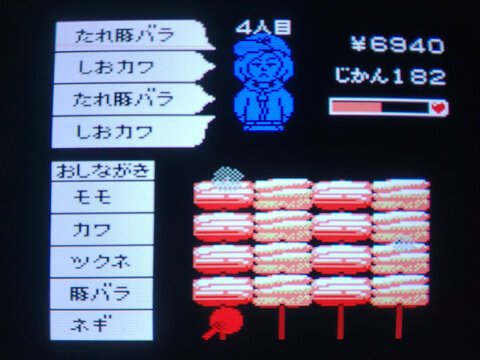 焼き鳥名人とり訡・MSX 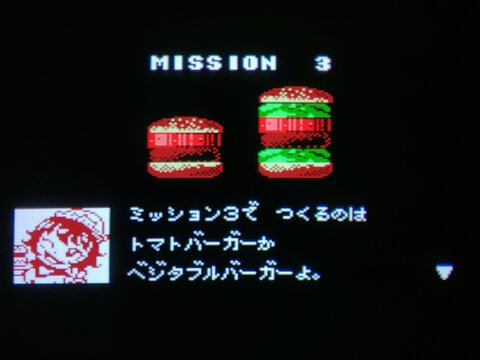 バーガーキッチン・MSX 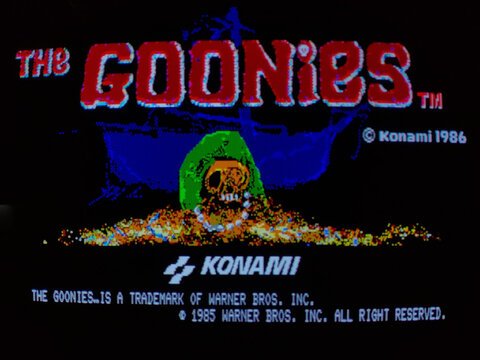 グーニーズ・PC-8801mkIISR 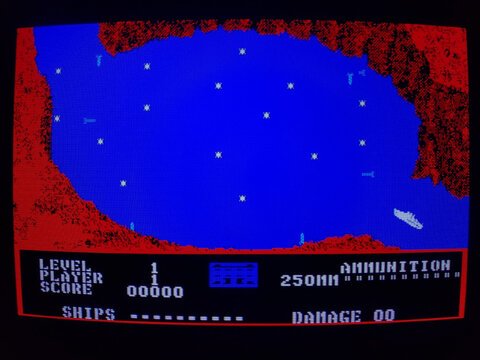 ビーチヘッド・PC-8801 | |
ランダム記事 | |
 |
Toshiba was not one of the top players in the Japanese computer industry in the 80s. They started with the Pasopia, and later they introduced their second-generation 8-bit machine, the Pasopia7, neither gaining widespread adoption. They continued with their 16-bit offering – the J-3100 – but that was tightly connected to the contemporary IBM PC architecture, and while it had its own modest software library, it can, in fact, boot a Windows 98 boot disk and launch DOS software. 続き⇒ |
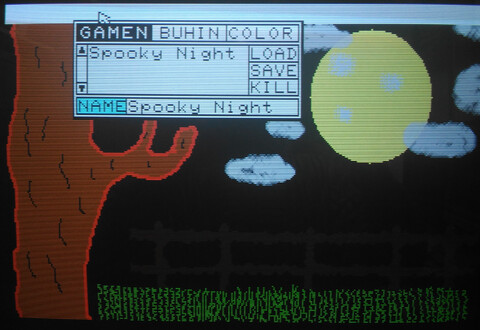 |
I finally got around to firing up my X1’s included “Graphics Tool”, part of the included “Z’s Staff-Z” software bundle that came with my system. I am no artist by any stretch and I figured loading up and attempting to use an 8-bit paint program would be an excruciating exercise. But I wanted to explore more about my Sharp X1 Turbo Z. There were definitely moments of frustration, but it was also a great experience. 続き⇒ |
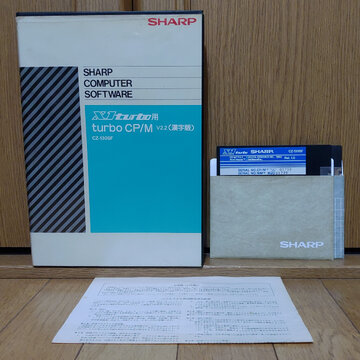 |
There are many things that can be done on the Sharp X1 Turbo Z, and one of those things is running CP/M and compiling C programs for it. I picked up a legit copy of CP/M designated as being for the X1 Turbo series, and Lifeboat's C programming language for use on CP/M (I believe the C compiler would work on non-Turbo versions of CP/M). Both came in original boxes, and the C compiler came with the manual as well. 続き⇒ |
| メーカー | ゲーム |
履歴 |
| 八 ビ ッ ト hachibitto |